Understanding California's Deck and Balcony Inspection Regulations


Overview of California's Deck and Balcony Inspection Regulations
In response to several tragic incidents, California has implemented rigorous regulations to ensure the safety of decks and balconies. These regulations are designed to prevent accidents and safeguard residents by requiring regular inspections and maintenance. Understanding these regulations is crucial for property owners, managers, and tenants.
What Triggers an Inspection?
The regulations mandate inspections for multifamily residential buildings with three or more dwelling units. The focus is on buildings with wooden decks, balconies, stairways, and other elevated exterior elements. Inspections are required every six years, ensuring that these structures remain safe and in good condition.
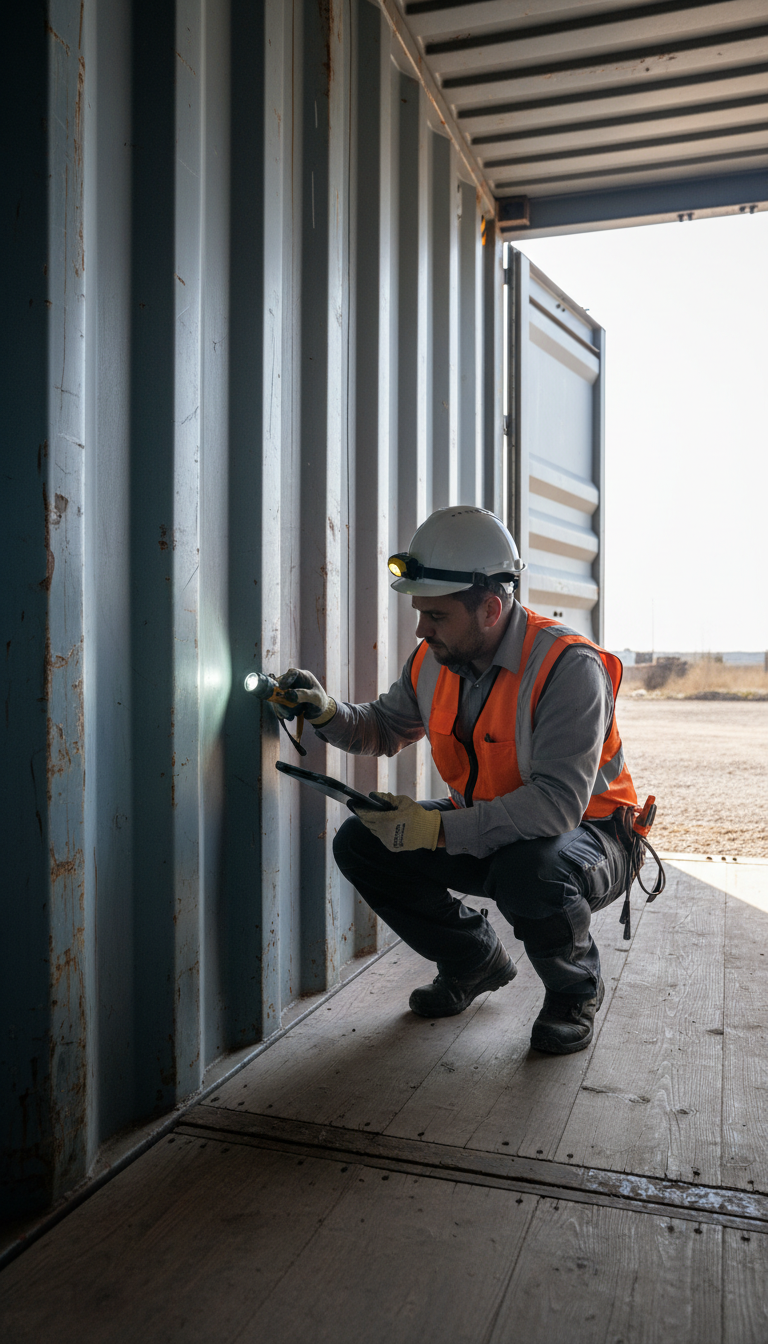
Property owners must employ a licensed professional, such as an architect, engineer, or contractor, to conduct the inspection. The inspector evaluates the structural integrity and identifies any potential hazards that need addressing.
Inspection Process and Requirements
The inspection process involves a thorough assessment of load-bearing components. Inspectors look for signs of decay, water intrusion, and other structural weaknesses. If any issues are found, immediate repairs are required to comply with safety standards.

In addition to physical inspections, inspectors may use advanced tools such as moisture meters and infrared technology to detect hidden problems. These technologies help in identifying issues that are not visible to the naked eye, ensuring a comprehensive evaluation.
Documentation and Compliance
After the inspection, a detailed report is generated, outlining the findings and any necessary repairs. This report must be submitted to local building authorities to demonstrate compliance with the regulations. Maintaining accurate records is essential for both legal compliance and tenant safety.
Failure to comply with inspection requirements can result in significant penalties, including fines and potential legal action. Therefore, property owners must prioritize these inspections to avoid complications.

Benefits of Regular Inspections
Regular inspections not only ensure compliance but also extend the lifespan of the structure. By identifying and addressing issues early, property owners can prevent costly repairs and enhance the overall value of their property.
Moreover, these inspections provide peace of mind to residents, knowing that their living environment is safe and well-maintained. This assurance can improve tenant satisfaction and reduce turnover rates.
Conclusion
Understanding and adhering to California's deck and balcony inspection regulations is essential for property owners and managers. By following these guidelines, they can ensure the safety of their structures, comply with legal requirements, and protect their investments. Regular inspections are a proactive approach to maintaining the integrity and safety of residential buildings.